
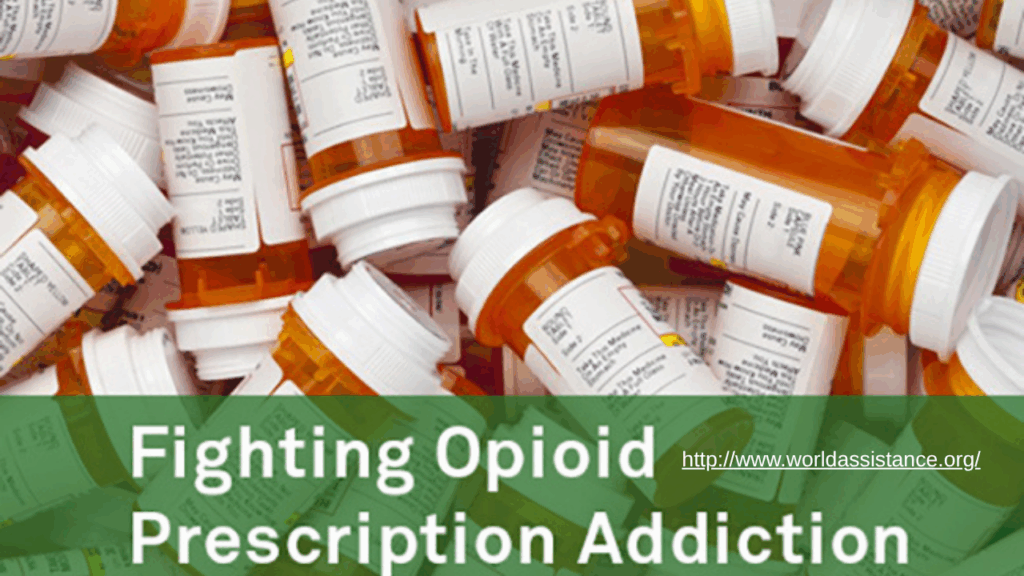
The opioid crisis has touched lives around the world, disrupting families, communities and individual journeys toward wellness. Yet one of the most promising responses is the power of collaboration—when nations, organizations and healthcare systems work together to broaden access to treatment. By harnessing teamwork across borders, we can ensure that more individuals affected by opioid use disorder receive the care they need, no matter where they live.
Why Global Teamwork Matters in Opioid Treatment
Opioid addiction does not respect national boundaries. Supply routes, prescription practices, cultural stigma and treatment gaps all cross borders in one way or another. This means that tackling opioid use requires more than isolated efforts—it demands coordinated strategies and shared resources. When countries exchange knowledge, align service models and support each other’s strengths, the result is stronger treatment systems and greater access for those who are suffering.
At World Assistance, the focus is on providing addiction recovery services, mental health treatment, and both inpatient and outpatient care through holistic, faith-based and individualized approaches. Their work reflects the same values that drive international collaboration: compassion, adaptability and a focus on the person behind the diagnosis.
Key Areas Where Cross-Border Teamwork Expands Treatment Access
Sharing Evidence-Based Protocols
Successful treatment models such as medication-assisted treatment (MAT), cognitive behavioural therapy (CBT) and integrated mental health care are now shared internationally. When healthcare providers in one region adopt protocols developed elsewhere, treatment becomes more consistent, better supported and more accessible. For example, when a country lacking resources receives guidance and training from a partner nation, it can deliver MAT in outpatient settings, reducing barriers and improving outcomes.
Building Professional Capacity and Networks
In many regions, treatment is limited by a shortage of trained professionals. International collaboration helps by offering training programs, mentorship and shared learning platforms for clinicians, counsellors and support staff. These networks empower local providers to deliver high-quality care that aligns with global best practices and the ethos of individualized, client-centred treatment.
Addressing Cultural and Systemic Barriers
Treatment access is frequently hindered by cultural stigma, regulatory obstacles and lack of infrastructure. Global teamwork allows for exchange of strategies to overcome these challenges—whether it is adapting programmes to a particular community’s values, creating faith-based frameworks that complement clinical care, or integrating holistic practices like nutrition, mindfulness and spiritual counselling into traditional models. World Assistance’s holistic and faith-based approach is well suited to draw on these international insights while remaining tailored to each person’s story.
Using Innovation to Expand Reach
Cross-border collaboration is opening doors to innovation in how treatment is delivered. Tele-health services, international peer-support networks and shared data systems are enabling treatment providers to extend their reach beyond physical clinics. For individuals living in remote or resource-limited regions, these innovations mean access to recovery care that might previously have been impossible.
Practical Insights for Those Seeking Help
If you or someone you love is struggling with opioid use, here are some practical tips to consider:
- Ask about multiple treatment options. Inquire whether a facility offers both inpatient and outpatient care, medication-assisted treatment, mental health support and holistic services.
- Check for cultural or faith-based alignment. Recovery is more sustainable when it honours your beliefs, values and unique journey.
- Look for guidance around aftercare. Access doesn’t stop when clinical treatment ends. Community support, mentorship and peer networks often determine long-term success.
- Explore global best practices. Feel empowered to ask whether the program draws on international standards, collaborative models or shared research—these indicate a commitment to evolving care.
Conclusion
When we work alone, we face limitations. But when nations, organizations and treatment providers unite, the possibilities expand. Collaboration across borders is not just about sharing resources—it’s about creating a web of care that ensures more people have access to compassion-based, effective treatment for opioid addiction.
At World Assistance, this ethos is reflected in their commitment to individualized care, holistic healing and faith-based support. If you or a loved one is facing opioid addiction, remember that treatment is accessible and recovery is possible. Reach out today to explore the options, start your journey and feel confident that you are not alone on the path to healing.